Bio:
Katerina Chonova holds a master's degree in School Psychology and is a psychotherapist under supervision at master level with the Society for Positive Psychotherapy in Bulgaria and WAPP (World Association for Positive and Transcultural Psychotherapy). She is a member of the Society of Psychologists in Bulgaria. Certified for training in Children's Play Psychotherapy at the Institute of Positive Psychotherapy. She holds a certificate to administer the screening test for assessment of child development Developmental Profile-3 (DP-3). Founder and author of the website mediapsihologia.com. Mother of twins. Her research interests are in the field of social-emotional skills and their application in preschool and primary school age. To get in touch, write to kchonova@abv.bg.
Today, with Katerina Chonova, we are going to talk about children and parents' worries. What are the most common reasons that bring parents to a psychologist these days?
When a child changes after their parents' divorce, or becomes aggressive toward a newborn brother or sister. Or when the child themselves often becomes the victim of verbal or physical aggression from other children. There are children with body aches for which there is no medical explanation. Enuresis (bedwetting), in which there is no established physiological or neurological cause, is also a frequent reason for psychological consultation.
Part of the work of child psychologists is also connected with the loss of loved ones, as well as the grief that children go through.
Rough behavior of a child in kindergarten or in school, and dropping grades in school, are also among the frequent reasons psychological consultation is sought.
Around online schooling many of the children get out of the habit of meeting other children, and their return to the classroom sometimes leads to panic attacks and heightened anxiety. All of these are conditions that, if attention is paid to them in time, can be shifted in a positive direction.
You are the mother of 12-year-old twin girls. What are the psychological challenges for parents raising twins?
When my children were small and I had already started studying Psychology, it was a surprise for me to learn that, behind our romantic image of the world of twins, in fact a lot of smoldering conflicts and problems are hidden. They can be skillfully managed with the help of knowledge about twin relationships and the child's psyche. And in this way, lasting negative attitudes and beliefs in children can be avoided.
There is enormous competition between twins from the womb onward, and this is a topic that needs to be talked about with parents. Because many of them, in their desire to encourage one child, compare them in favor of the other. Psychologists in Western countries strongly support the individualization of children and separating them into different groups in kindergarten, and later into different classes and even schools. Something that has only been discussed in the last few years in Bulgaria, because here it is still endearing for the children to be dressed alike, to always be together, to have the same friends. This comes from parents' good intentions to reinforce the twin bond and to make sure no brother or sister feels left out. But real life isn't that fair, and some twins, when they grow up, find themselves unprepared for the challenges of reality.
How does school fit into parents' worries today?
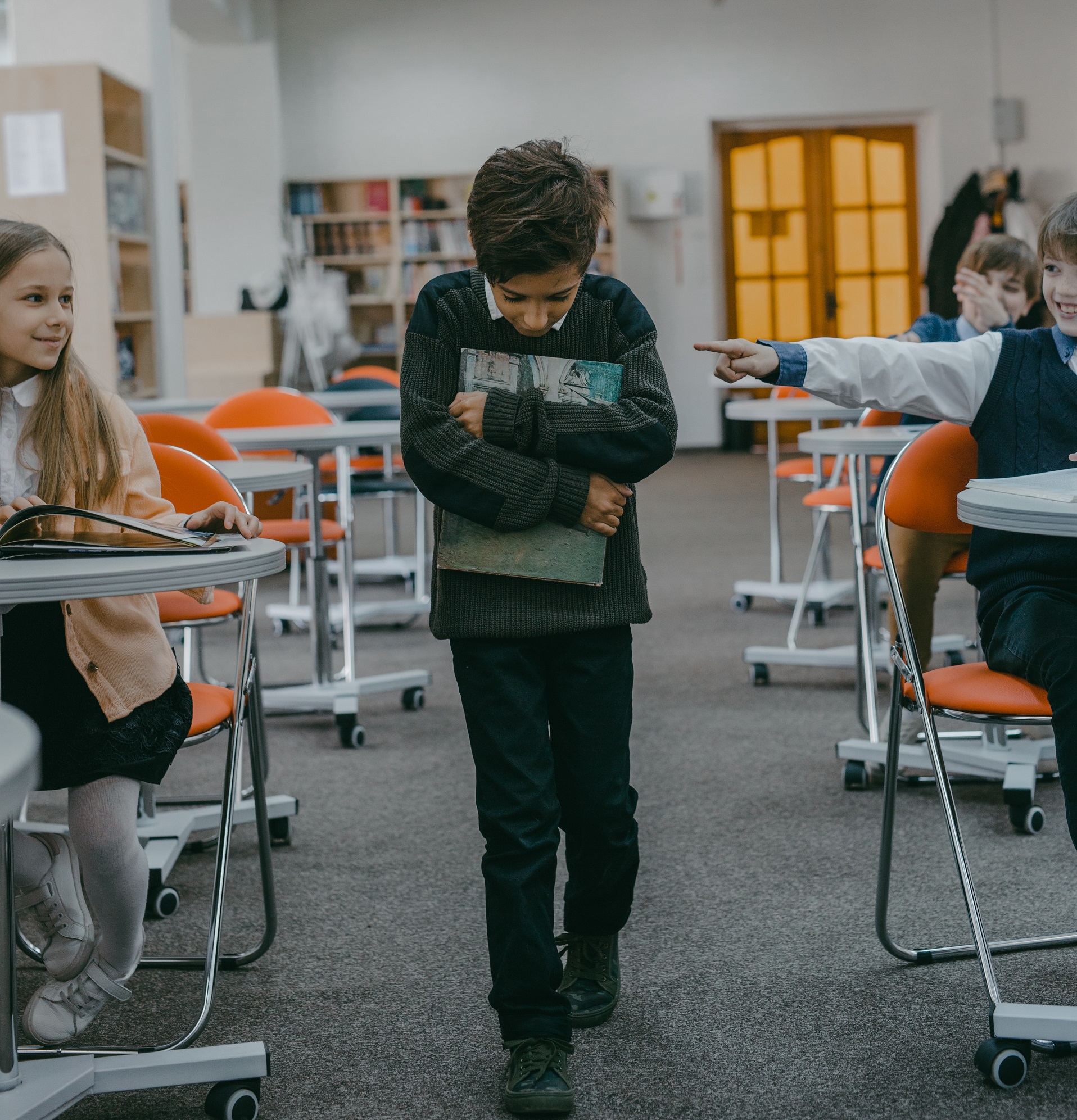
School is a forever-relevant and very important topic for every parent. For Bulgarians, it is important for the child to study well, and this is one of the most valuable traits of our nation. We value education and invest time, resources, and effort in this direction. That is why every parent takes it hard, and has many questions, if, for example, the child performed well last year, but now there's a drop in their grades. Then, together with the parent, we explore the possible individual reasons. Mental or physical bullying by classmates, which quite a few children are subjected to, is also a painful topic for parents, and they seek support not only from teachers but increasingly from the psychologist as well.
It is also important for the specialists who work with children to be educated on the subject of children's learning difficulties at the primary stage. They are never accidental.
Learning difficulties are disorders that affect the ability to interpret what we see and hear, or to connect information received from different parts of the brain. This inability can manifest in different ways, such as specific problems related to spoken and written language, coordination, self-control, or the ability to concentrate and pay attention.

These problems affect schoolwork and can affect children's ability to read, write, or solve math problems. I have heard children labeled as "lazy" and "slacking," when in fact dyslexia and/or dyscalculia is at play. All serious conditions in which there is a biological component in the child's brain, and a special pedagogical, speech-therapy, and therapeutic approach is required. Labeled children become anxious, lose self-confidence and motivation, and their self-esteem drops. Becoming invisible is one option. The other is to attract attention with bold and provocative behavior.
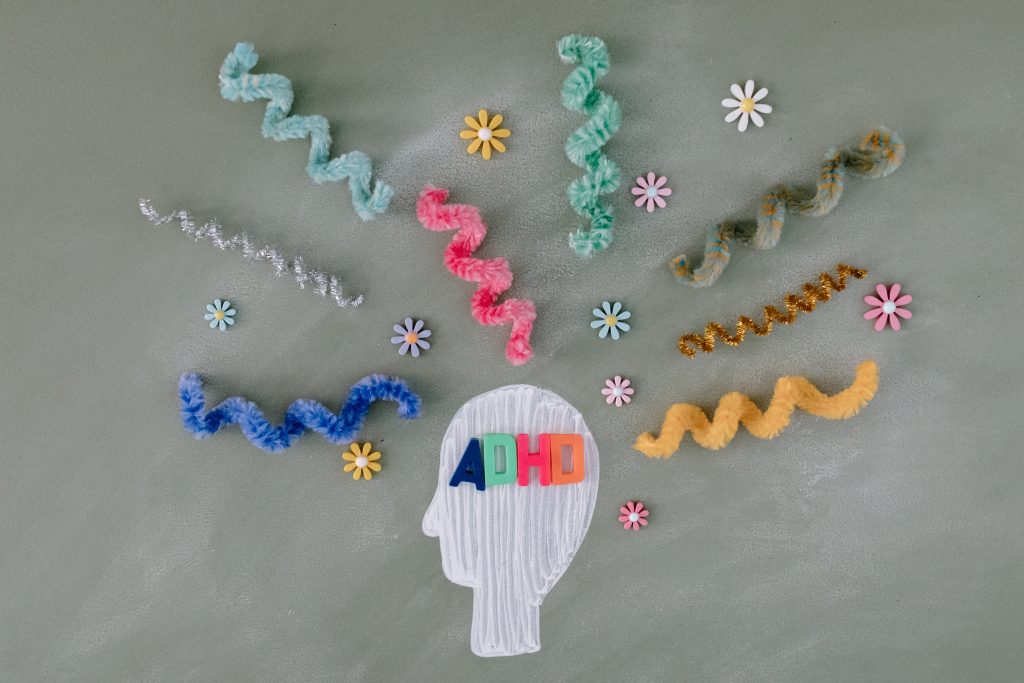
The other widespread epidemic in preschool and school age is Attention Deficit Hyperactivity Disorder (ADHD). It occurs in 9.2% of boys and 2.9% of girls. And the projections are that these numbers will grow. With ADHD, teachers usually flag that a child is unruly, impulsive, regularly disrupts discipline in class, hurts classmates, and disrespects authorities. Very often these children drop out of our education system, which is a shame, because we already know enough about ADHD, and through teamwork between psychologists, teachers, and parents we can change the future of a child with ADHD for the better.
As we know from our mothers and grandmothers, parents' worries have no end. Every parent wants the best for their children, but sometimes this "best" for the parent means doing everything in the child's place. Is this a disservice, or is it a way for the parent to support their child?
— Exactly so — every parent wants the best for their child. And they need to be supported, that with their knowledge and their attitude, they really are doing the best. I'm happy that we live in a time in which the topic of mental health is no longer a taboo. And even if we step into it timidly as a society, the majority of us are already convinced that it is important to take care not only that our body is fed and rested, but also that our soul is in balance, in order for us to be whole both for ourselves and for our loved ones.
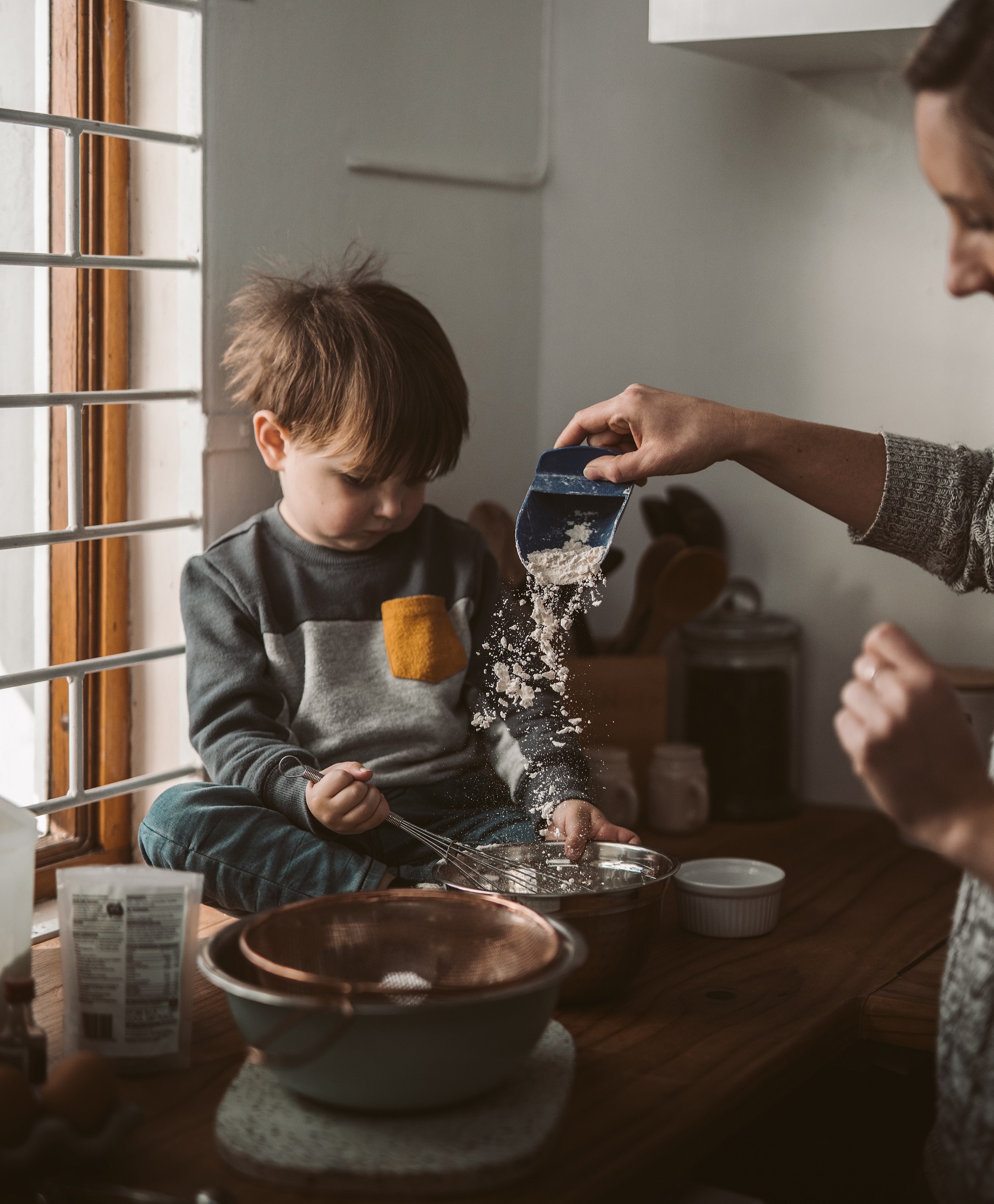
Supporting your child is important and is a good foundation for a healthy psyche. But, beyond support, in order to acquire healthy self-confidence, the child needs to feel that they are coping on their own; that they are building skills with which they raise their self-esteem. We know how important this is both for coping at school and for relationships with those around them.
I'll give a concrete example. If I am 3 years old, and Mom keeps feeding me with a spoon in the mouth, because she believes that this way it's faster and easier for everyone (I won't get dirty, and she won't lose precious time on unnecessary cleaning afterward, which she could spend playing with me) — then her motives are completely logical and understandable. But if Mom is supported by the specialist, that for me to learn to feed myself at age 3 is important for my self-confidence, then she will have the motivation to make it happen. Mom will know from the psychologist that it's important to encourage me, to praise my efforts, and to praise me for what I've accomplished afterward. And as a result of this interaction, my self-esteem will grow, and I will believe that I can also handle other things on my own in the years ahead.
What skills is it normal and expected for children to have at different ages?
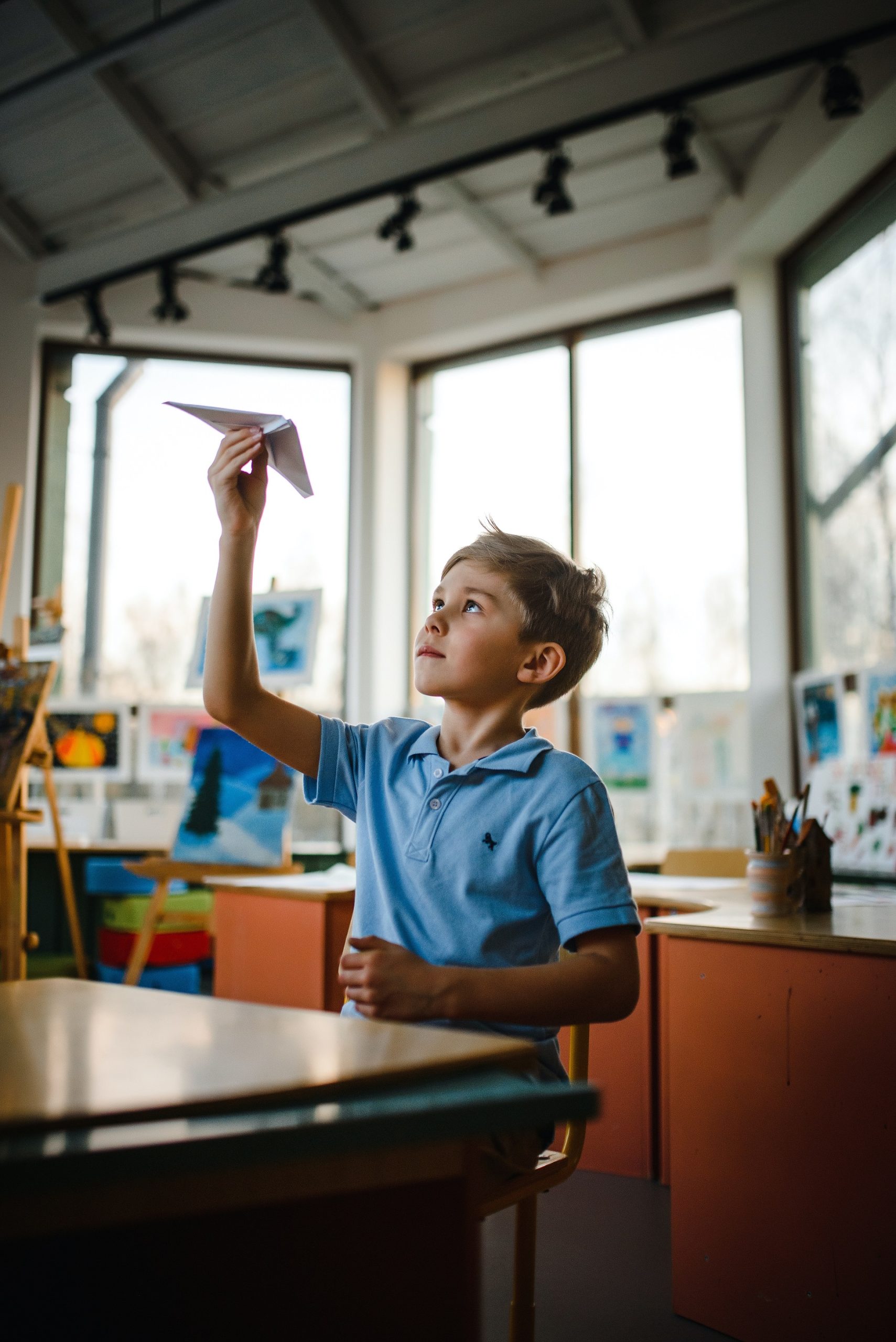
— At every age there are skills that, in principle, are achieved by 95% of healthy children in that age period. That is, it is possible for my child to lag a little behind or to be ahead compared to others. This is completely normal in the first years of our development. Achieving certain skills is the healthy foundation for creating new ones in the next stage of development. If we don't lay the foundation of a building, there's no way to build the first, second, third floor, and so on.
For example, 95% of children at 3 years and 2 months are able to take off a t-shirt or sweater on their own. And children at 4 years and 2 months are already able to wash and dry their hands without outside help. If a child does not do these things, it does not immediately mean that they have a developmental delay. It can mean that the parent has been doing these activities for the child and has been thinking that they are still too little for them. Supporting the child's independence in the skills typical for that age will be the valuable and useful information that the parent will receive from the psychologist.
In fact, the DP-3 test captures exactly these small abilities that are important for each age, right?
— The test can capture very accurately in which of the 5 areas examined the child has gaps, or has outgrown their age. It is established as one of the best instruments for assessing child development. It can be used from birth to age 13. DP-3 allows the specialist to see a snapshot of the child's development and to give the parents recommendations on which skills to work on together with the child.
What areas of child development does DP-3 track?
The test contains questions whose answers will help us understand whether the child has mastered a given skill or not, and accordingly will provide a standardized assessment of their development in 5 key areas:
Physical development — acquired or still-missing skills are tracked, related to gross and fine motor skills; coordination, strength, endurance, flexibility, and consistency of motor skills.
Adaptive behavior — the child's skills to function independently are tracked: to feed themselves, to get dressed, to carry out tasks, to use modern technology, to take care of themselves and others.
Social-emotional development — here interpersonal skills are tracked, social-emotional understanding, functioning in social situations, ways of interacting with peers and adults.
Cognitive development — intellectual capacities necessary for forming academic skills are tracked. The test does not assess the child's intelligence and is not an intelligence test.
Communication — in this area, the degree of development of expressive (how we express content) and receptive (how we perceive content) speech is tracked — written, spoken, and signed.
The DP-3 child development rating scale can be used for:
- preparing an individual assessment of the child's development;
- identifying areas of developmental delay or, conversely, areas of advanced development;
- planning interventions and monitoring progress in therapy;
- providing concrete guidance to parents for practical work with their children;
- it is intended to assess the development of children from birth to 12 years and 11 months.
How long does the DP-3 test take to complete?
— It is completed over about an hour, in the course of a consultative interview with the parent/guardian, tracking the child's development. There is also now a questionnaire format, which can be given to the parent/guardian in case a meeting in person or online is not possible. The results and recommendations are given to the parent in the form of a detailed report at the next session with the psychologist, including a written analysis with recommendations for working with the child in the home environment.
You can write to kchonova@abv.bg for more information and to make an appointment.