We are all convinced of the benefits of sports. In recent years, however, the dark side of professional physical activity has begun to come to light. Nearly 34% of current elite athletes and 26% of former ones live with anxiety or depression.
They compete in championships, break records, win gold at the Olympics. While they are doing what most of us can only dream of, far from the spotlight many of them battle the demons of their mental health. And despite the taboos around the topic, there are brave men and women who openly share what battles they fight every day.
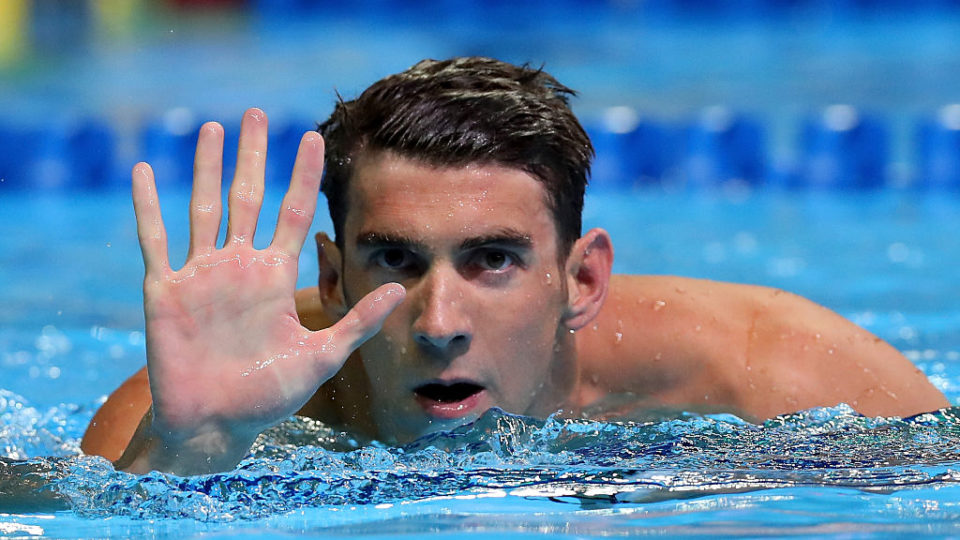
Michael Phelps

In May 2019, 23-time Olympic champion Michael Phelps made an announcement on Twitter that was shocking to many people:
"I struggled with anxiety and depression and questioned whether or not I wanted to be alive anymore. It was when I hit this low that I decided to reach out and ask for help from a licensed therapist. This decision is ultimately what saved my life."
Since then, Phelps has talked a lot about his illness and about how important it is for people who have it not to try to hide their condition. Three important things Phelps has learned and shares about mental illness:
It is critically important to admit that you have a problem
"You can only get help if you ask for it," Phelps says frankly to ESPN. Many people believe they can handle depression on their own. But that is the difference between sadness and depression. When people are sad, they can change their mood through exercise, by calling a friend, or by doing some activity they enjoy. Depression, however, doesn't go away no matter how hard you try.

Find someone to talk to about your depression
Coping with depression, especially severe depression, requires working with a therapist who can help you understand why you feel this way. Sometimes accompanying medication therapy, prescribed by a psychiatrist, is also needed.
Phelps shares that after he started talking about his emotions, his life became easier.
Don't forget that it's not scary not to be okay. Or, It's OK not to be OK
Mental illness has a stigma around it, Michael Phelps shares, and people like him have to deal with it every day. But he sees a change in the way people respond to mental illness, because so many people, especially athletes and celebrities, are coming out and talking publicly about their problems.
"As an athlete, I assumed we had to be real machos; people who don't have any problems and shouldn't show weakness, but that is so wrong. I am so grateful that I am able to ask for help now," Phelps shares.
Naomi Osaka

The world's highest-paid female athlete and tennis star admitted in May this year that she had been dealing with "long bouts of depression" since winning the US Open in 2018.
Naomi Osaka made headlines when she decided not to participate in a post-match press conference at the French Open, and later withdrew from the tournament. Osaka cited her mental health specifically as the reason she did not want to take part in the press conference. She continues to speak out on mental health in sports, as well as on racial injustice in tennis.
Her admission unleashed a wave of open statements from other athletes, such as 38-year-old Olympic legend Ian Thorpe, who praised the tennis star for drawing attention to the issue of mental health.
"I applaud her for showing people that mental health issues can affect anyone."
"There is greater acceptance of the fact, and a better understanding, that mental health is a real thing, and in the field of athletics it takes serious courage for these high-profile athletes to come out and use the word 'depression' or the word 'anxiety,'" says Jamie Houle, a leading sports psychologist in the state of Ohio.
Serena Williams
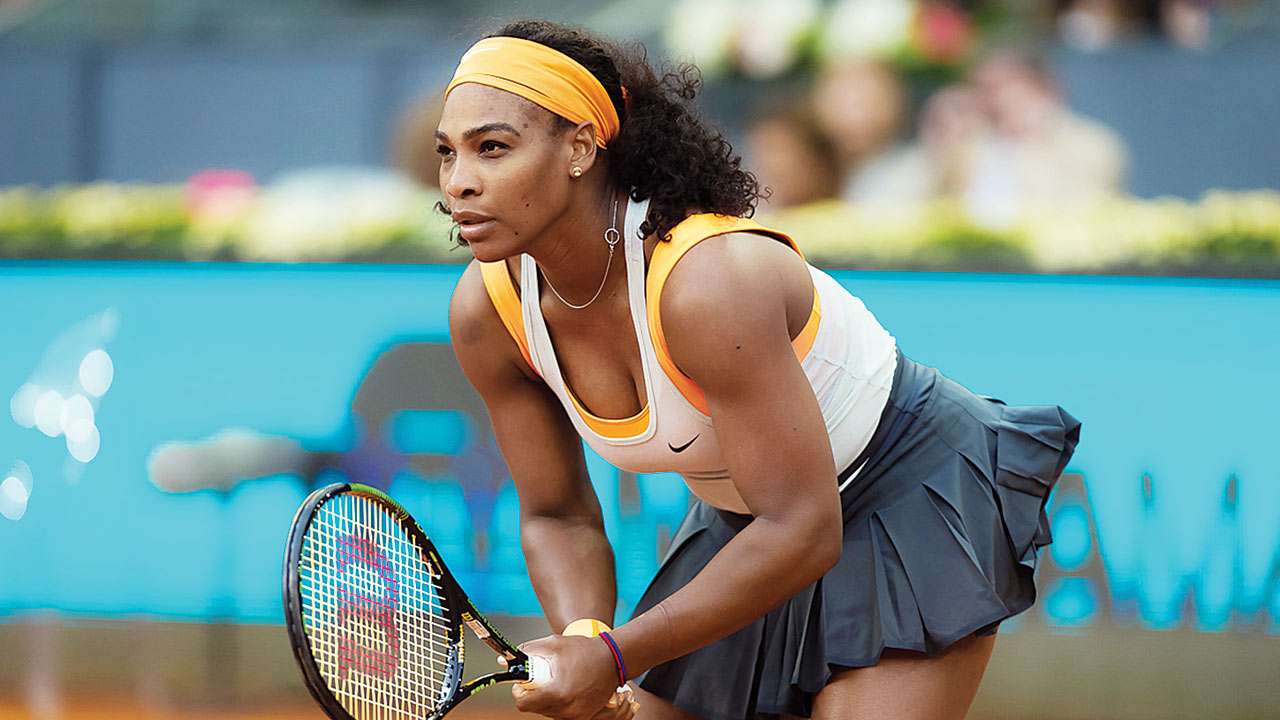
An icon in the sport of tennis, Serena Williams has spoken about her struggle with depression over the years. Most recently Serena Williams talked about her battle with postpartum depression after giving birth to her daughter in 2017.
As someone who has battled depression, she relates to much of what she went through, and shares the things that have helped her:
Opening up
Williams's main strategy for coping with depression is communication. She gets through her struggles by talking to others.
When she was experiencing postpartum depression, she told fans, "What I like most is communication. Talking with my mother, my sisters, and my friends let me know that my feelings were completely normal."
Likewise, when she went through a depressive episode in 2015, her coach said, "It's good to simply make the effort to see people and to go out a bit."
She even points out that a turning point in her 6-month battle with depression in 2006 was a conversation with a young fan.
This approach has many advantages. One of them, as Williams said, is that it helps her understand that her feelings are normal. Depression can make you feel incredibly isolated. The feeling is that you are completely alone with your mental health struggles.
The reality, however, is that depression is an extremely common problem. According to the National Institute of Mental Health, "depression is one of the most common mental disorders in the United States." Within a one-year observation period, more than seven percent of adults experienced a depressive episode. Depression is especially prevalent among women and young people.
Talking to others can help you understand that you are not alone with this disorder. The tendency to keep returning to the same negative thoughts can lead to a feeling of hopelessness.
"In contrast, when I open up to others, I feel relief. It clears my mind and lets me stop fighting things that are out of my control," Williams shares.
Therapy
Another strategy Williams uses is psychotherapy. As helpful as it is to talk to friends and family about depression, mental health specialists can offer important additional guidance.
At the height of her depression, in 2006, Williams visited a therapist every day. She returned to therapy in 2018, after her notorious outburst at the US Open.
"I know from personal experience how hard it can be to take that step. Sometimes, when I feel depressed, the idea of therapy sounds pitiful. The last thing I want is to talk about my feelings even more. I just want to ignore them and hope that things will get better on their own. Sometimes I have even told myself that needing therapy is a failure to cope on my own. As if visiting a professional is an admission that I can't beat depression. The truth, however, is that for many people with depression, therapy can be an extremely useful part of managing it. This is not a 'failure to cope' at all; it's a way to get back on track."
Taking a break
The last major component of Williams's success in managing her depression is that she allows herself to take breaks when necessary. Her status as an elite athlete is a huge source of stress in her life, but she has learned how to step back when she needs to.
In 2015 her coach Patrick Mouratoglou said that when Williams was dealing with depression and an injury, she would take breaks even from talking to him. Instead, she preferred to talk with people outside her career in tennis. Mouratoglou clarified: "Because I represent tennis, and when [you are recovering] from something like this, you need to see people who don't represent that sport." (Source: ESPN)
Unfortunately, this is the one strategy that's hardest for the rest of us to imitate. Most of us cannot afford to take a break from work for several weeks, for example. In the United States, many working people don't even have paid sick leave.
In the meantime, we should remember that it's good to be kind to ourselves while we are suffering from depression. Serena Williams's problem, by her own account, is that she always tries to do exactly the opposite: to impose super-strict routines and habits on herself in order to get back into shape, for example. The truth, however, is that rest can be an important part of dealing with a depressive episode.
By temporarily withdrawing from tennis, Williams actually protected her career in the long run, while at the same time protecting her mental health.