In Bulgaria we mark Sirni Zagovezni, also known as Forgiveness Day — a time when we ask our loved ones for forgiveness and grant it to them, so that we may enter the upcoming Lenten fast with a clean heart. This custom reminds us how important it is to free ourselves from accumulated hurt, pain, and negative emotions. Many cultures around the world have practices and holidays devoted to forgiveness and spiritual cleansing. What they share is the act of forgiveness toward others and toward oneself, releasing the weight of the past, and a fresh start with a clean heart.
Recently, during the seventh edition of Encounters with Truth with Bilyana Savova and guest psychotherapist Orlin Baev, I heard for the first time about an ancient Hawaiian practice grounded in the principle of forgiveness — Ho'oponopono.
What is Ho'oponopono?
Ho'oponopono is a traditional Hawaiian method of healing, grounded in forgiveness, love, and inner cleansing. The name means "to make right," "to put something right," and aims to restore harmony in the person and in their relationships.
The method is based on the idea that we carry 100% responsibility for everything that happens in our lives. This isn't blame — it's the understanding that by clearing negative thoughts and programs in the subconscious, we can change our reality.
The four phrases of Ho'oponopono
The main tool of the practice is simple but profound — repeating four cleansing phrases:
- I'm sorry — We acknowledge that something within us created the situation that's troubling us.
- Please forgive me — We ask forgiveness from the universe, from others, and from ourselves.
- I love you — We send love toward everything and everyone, including ourselves.
- Thank you — We express gratitude for the chance to heal and to change.
These words can be repeated in moments of stress, pain, or conflict, as a way to release the weight we carry within ourselves.
The kinship between Ho'oponopono and the Bulgarian forgiveness tradition
In both Bulgarian and Hawaiian cultures, forgiveness is a central idea that brings relief and a new beginning. On Sirni Zagovezni, the young ask the elders for forgiveness with the words: "Forgive me — forgive!" and the answer is "May you be forgiven!". This symbolic act helps us release accumulated burdens and strengthen our ties with others.
In Ho'oponopono, forgiveness doesn't depend on the other person — it's a personal process that unfolds within us. By clearing our thoughts and feelings, we transform the reality around us as well.
On the wonder of this practice
Joe Vitale — author of more than 90 books on spiritual growth and self-knowledge — tells the story of therapist Dr. Hew Len, who in 1984 took a job at a clinic in Hawaii for criminally charged and mentally ill people. He claimed he could heal all the mentally, emotionally, and physically ill people convicted of crimes through an alternative healing method.
Within one to two years, most patients had been discharged. After exactly four years, all had been released, and the clinic closed for good.
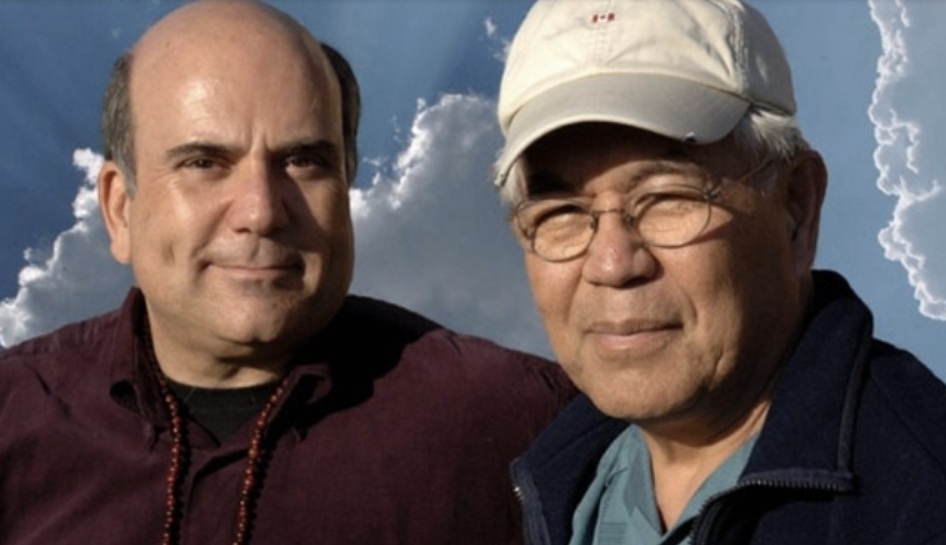
Dr. Hew Len explained that this healing method, called Ho'oponopono, is a way for a person to take full responsibility for their own life. According to him, everything and everyone who appears in our environment is our responsibility. Whether or not we like a given situation, we have to accept it and transform it through inner work. The therapist added that Ho'oponopono is part of the broader concept of creating one's own reality, which many authors have written about.