Bio:
Elitsa Velikova is the director of the Institute for Therapy and Expressive Arts — Sofia, a psychologist and psychotherapist. She graduated in Expressive Arts Therapy in Saas-Fee, Switzerland, and in psychology in the United Kingdom. She is an adjunct lecturer in Art Therapy at New Bulgarian University, Sofia, and leads seminars, training programs, and therapy groups. She has specialized in a wide range of psychological and therapeutic methods, including healing childhood trauma, counseling, family therapy, self-exploration groups, and art retreats. She has led seminars in many countries, including China, Sweden, Greece, Turkey, Russia, Lithuania, Mexico, Italy, and others. Since 2004 she has worked with adults, children, and couples, using the methods of family therapy, systemic family constellations, therapy for childhood trauma, and the expressive arts in individual and group therapeutic work.
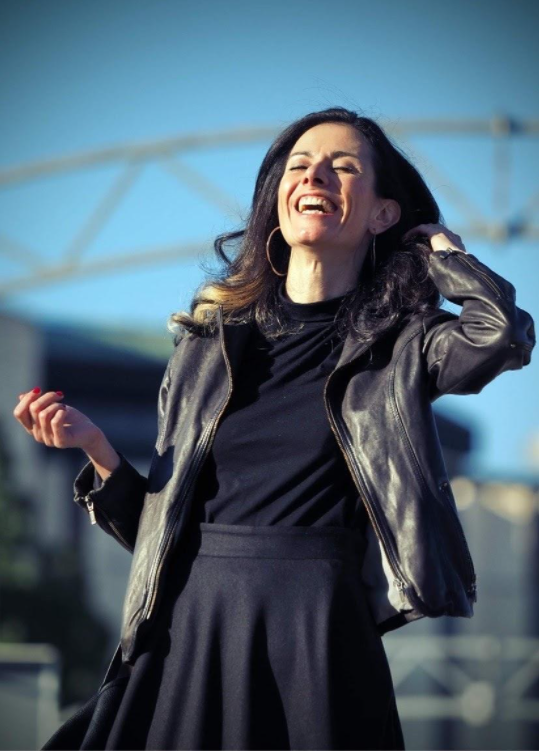
Our meeting
A mutual friend mentioned Elitsa Velikova to me at exactly the moment when our team was wondering who the next guest expert should be for an interview on a delicate topic: the topic of happiness. At first glance light, the topic of happiness actually turns out to be deep, mystical, and to require knowledge beyond the theory and practice of psychology.
After looking through the many activities Elitsa is involved in, I was more than sure that she was our specialist on the topic. And I could only hope that she would find the time to answer our questions about happiness.
Hello, Elitsa. Thank you for agreeing to this conversation about happiness, despite your busy schedule. What are you feeling right now?
Curiosity.
What is your personal formula for happiness?
Happiness is a state of the spirit, not an emotion. We shouldn't put conditions on it: "If I get rich," "If I have a partner," "If I have a child," and so on. You can experience happiness even in the catharsis of strong emotions, in surrendering to what is. You accept what is happening, while at the same time trying to change it as much as it depends on you.
Together with Adelina Kirilova, you are preparing an event that strongly impressed me, and as I read about it, I felt as if I had immersed myself in a bath of bliss: "The Garden of Secrets: Unfolding Magnetism. A Retreat for Women." What can bring happiness back to a woman's soul?
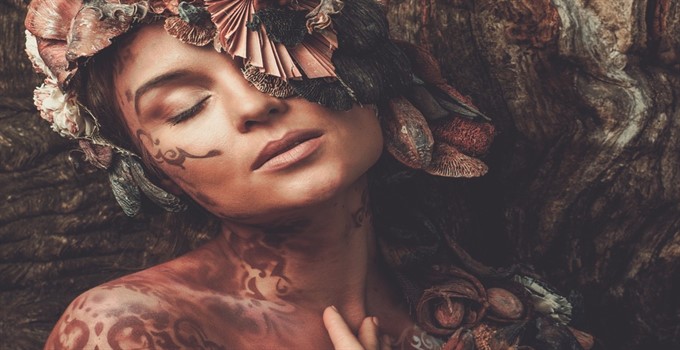
The pleasure of her own body, loving it and being open in her senses, in interaction with everything that's present, feeling and experiencing beauty — her own and that of humanity. She needs to reclaim her naturalness, to connect with nature, with herself. To remind herself of the creative power that lives in her body. It helps if she doesn't exhaust herself, if she gives herself at least as much care as she gives others. If she sometimes lets things happen, instead of organizing them. When she is able to let go. When she is not the mother of everyone. When she manages to slow down. To have moments of complete surrender. To grant herself more pleasure.
Happiness can only happen in the context of inner freedom — separation from everything that has been imposed, from prejudices, upbringing, patterns. To be happy, we have to risk being individualists, that is, more alone.
And what are the factors that make men happy?
Happiness can hardly be divided by gender. Fulfillment for everyone comes from achieving a personal goal, from the effort put in when it has meaning for us, from the beginning of something promising or the end of something with no future. From the determination and courage to be ourselves. From a choice that is in harmony with us. As I said, from our actions and behaviors that give us a sense of freedom.
When do people start to lose joy permanently and feel unable to bring it back into their lives?

When they make compromises and these compromises become a comfort zone. When they are always trying to meet others' wishes and expectations and forget what they themselves wanted. When they forbid themselves things and tell themselves "I must" all the time. When they act from the belief that they don't deserve, that they are not valuable enough to receive — when they think they are not enough. When they feed their fears about the future. When they look back into the past with anger, guilt, or regret, and not forward. When they cannot accept loss as part of life. When they want to change others, rather than themselves.
This is usually also the moment when people turn to a psychologist for help. How do family constellations work, and do they manage to bring happiness back to those who choose this method of therapy?
The family constellations method specifically views happiness through what we have inherited from our ancestors. In most people there is an unconscious loyalty to the generations before us, not to "outshine" them, because then we feel as if we don't belong. When the people before us lived in poverty and deprivation, in suffering or illness, we naturally want to create more wealth and abundance, but a tendency may emerge to sabotage our success, to lose through various provoked or unintended situations, or to not allow ourselves to enjoy our wealth. Systemic family therapy helps to uncover such dynamics, if they exist, and to transform them into a force for something good.
"All happy families are alike. Each unhappy family is unhappy in its own way," as the famous opening line of the novel "Anna Karenina" goes. Even so, are there common outward signs that characterize a happy family? And are there common factors typical of an unhappy one?
Generalizations never really do the job, but I think a happy person is fulfilled in themselves, regardless of whether they are alone, in a couple, or part of a family. Love expresses itself best where there is balance in the relationship, proper boundaries, and a healthy egoism, which I define as personal freedom. Another word for happiness can be wisdom.
Is the disposition for happiness inherited?
Not exactly, since each of us comes with their own individual destiny, character, and path. But it certainly helps if our parents have managed to achieve their personal and shared happiness and have given us the feeling that we don't have to provide it to them.
You are an art therapist and a lecturer in Art Therapy at NBU. Can it be said that art and creativity are the most direct path to happiness?
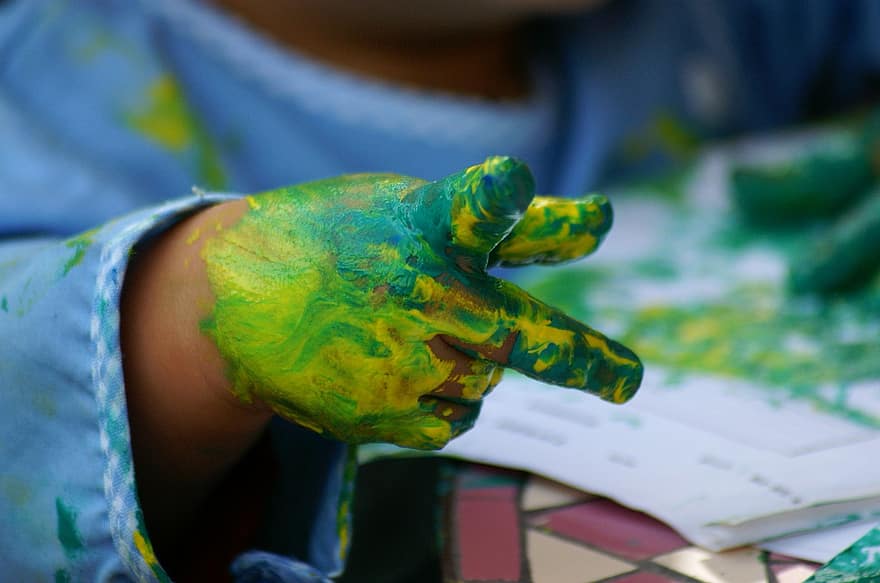
Through creativity you have the chance to connect with something greater than yourself, with the beauty that lies beyond our definitions of it. This connection nourishes on a very deep level, transforms and cultivates the person, supports in them the same qualities that creativity itself possesses — it manifests the boundless. Flight in our imagination gives us the chance to step out of our small concerns and open ourselves to the bigger picture, as long as we have the senses for it.
Can you share with us an art technique that will make us feel better soon after we apply it?
Allowing yourself to draw what makes you feel bad… without a filter. And then deciding what to do with it.
If a loved one came to you now in a gloomy mood, what would be the first thing you'd say or do to bring back their smile?
"I've got you…"
To contact Elitsa Velikova
http://www.artstherapyinstitute.bg/
elitsavelikova@gmail.com
tel. 0888885306