Even children know that sport is health. The first organ that thrives on our physical activity is the brain. Every run, jump, bike ride, or swim increases blood flow to our brain; it supports the production of proteins (neurotrophins) that beneficially affect memory and the nervous system overall.
Beyond the physical benefits to children's brains and bodies, sport also positively affects their mental health. According to the U.S. sport and mental health publication "True Sport," sport can have a positive impact in several important areas:
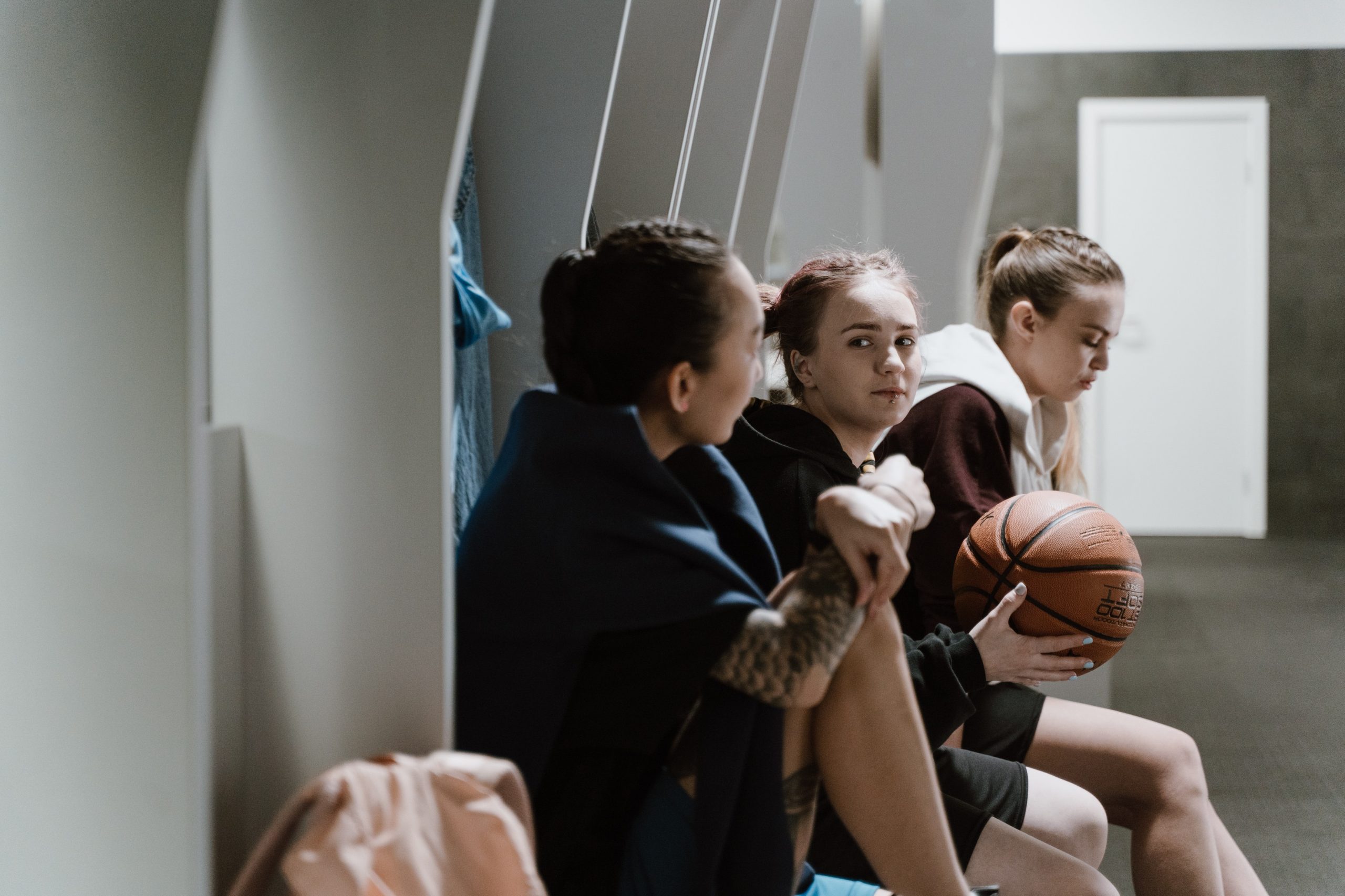
Children land in a large, supportive community
Being part of a team or group, especially in the years before and during adolescence, is especially important for a young person. The sense of belonging to a team you identify with positively is part of healthy stages of psychological development. Feeling that you're part of a community protects children from social isolation. Developing communication skills in a group, along with social support, builds psychological resilience and reduces negative emotions in any young person.
Children's concentration is higher
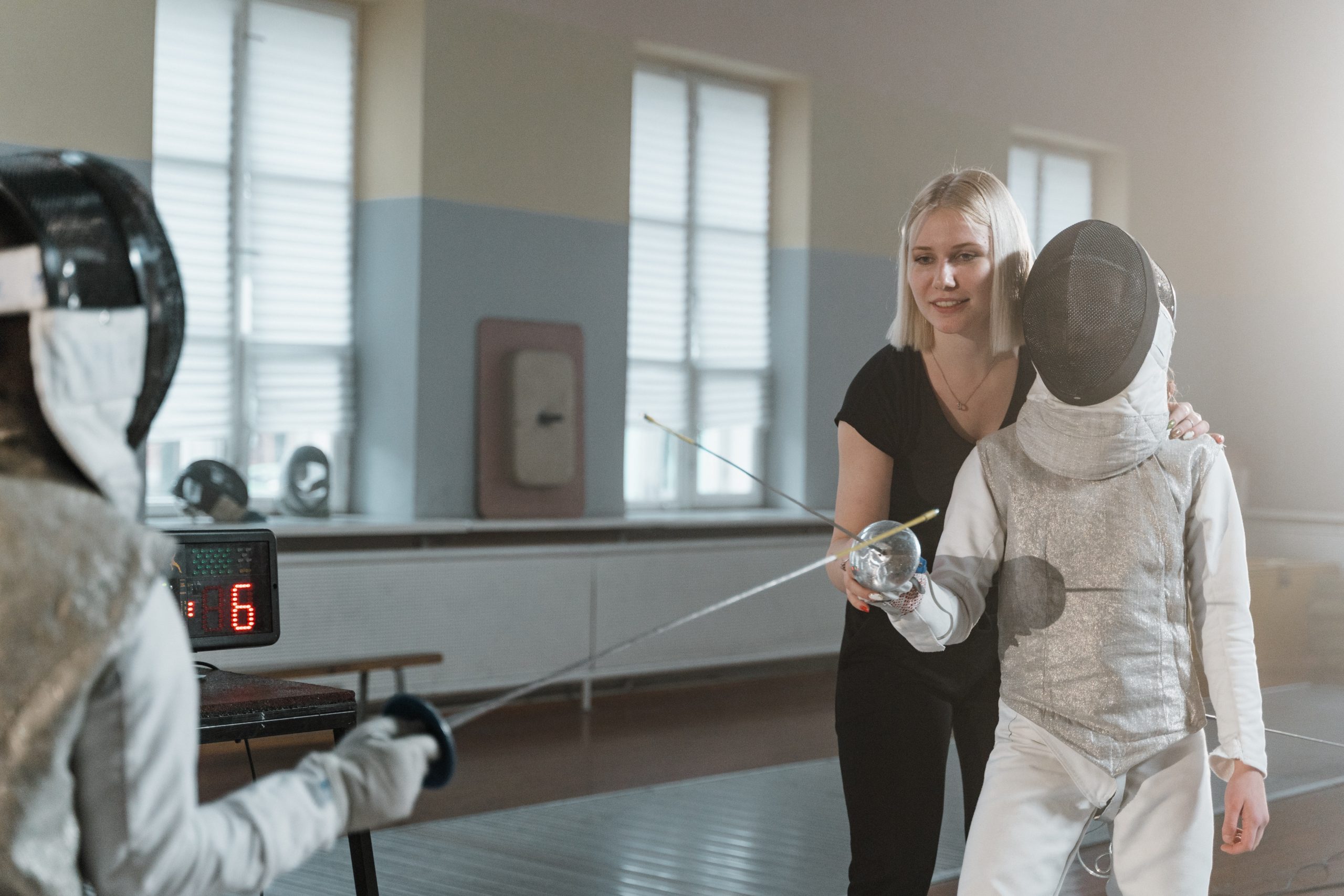
In the school years, a lack of concentration can test the patience of any caring parent. One of the things every sport teaches us is focus. Repeating the specific movements typical of a given sport helps build new neural pathways in the brain and reinforces them over time. Studies show that time spent in highly dynamic activity outside the classroom leads to greater attention to specific tasks.
Children become more creative
Thinking outside the box is a skill of huge benefit to young athletes. A 2014 study found that the more unstructured and unscripted a child's play, the more developed their creativity becomes. When a child has to solve problems without a coach, that process develops their creativity.
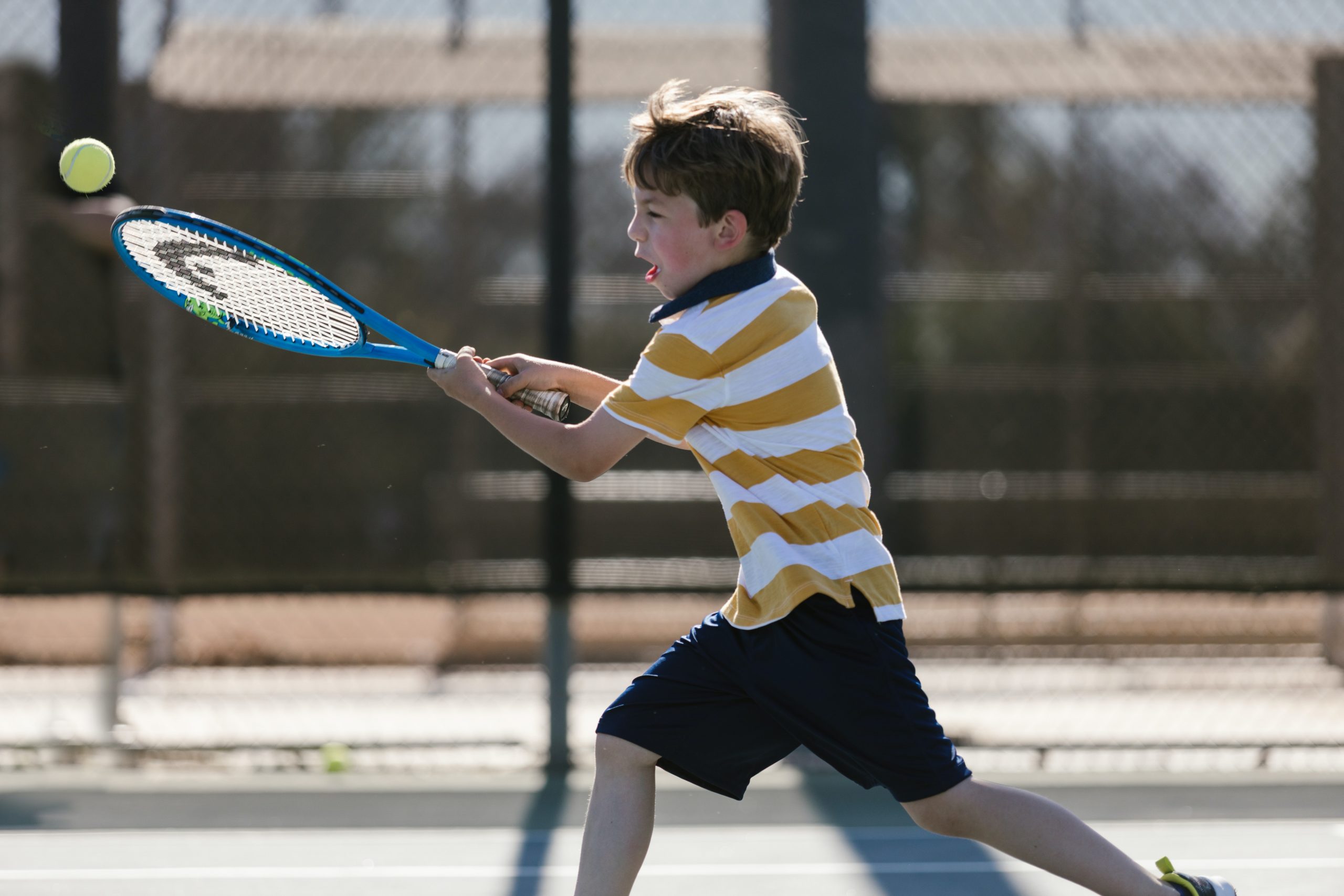
The implication isn't a wholesale rejection of the current sport system. We found it's really about balancing the time we spend across different approaches to sport. Our results show that you don't have to play exclusively in unstructured ways. The key is balancing those activities with other free-time activities that imply stronger connection between children and more creativity.
Matt Bowers, clinical assistant professor of health education
Self-confidence is higher
Physical activity boosts self-esteem and helps us love and respect our bodies, which matters for our mental health too — especially during adolescence. Research by the Women's Sports Foundation also confirms that girls and young women who do sports gain in confidence, self-esteem, and are less likely to be overweight, depressed, smoke, use drugs, or get pregnant as teenagers. For both sexes, the everyday skills picked up during activity (communication, negotiation, goal-setting, perseverance) make them adaptive leaders in different situations.
XXV International Conference "Personality, Motivation, Sport"