Born Cassius Clay on January 17, 1942 in Louisville, USA, Muhammad Ali achieved legendary fame as a superlative boxer — winner of an Olympic gold medal and three-time heavyweight world champion. Voted Athlete of the 20th Century, he also left his mark in several other important arenas — championing Black civil rights, religion and politics, and philanthropy.
In 1984, Muhammad Ali was diagnosed with Parkinson's disease, but even that grave diagnosis did not stop him from staying active and continuing to fight for the oppressed. He died at age 74 on June 3, 2016.
The resilience and mental toughness he displayed throughout his life have several defining elements:
☑️1. Control and determination: there's no doubt that the legendary boxer believed he "could do anything" he set his mind to — things others would only hesitate over, fantasize about, or dream of.
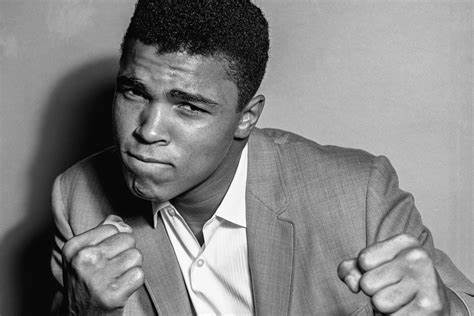
✅2. Commitment: he set high goals not only in sport but also in the social arena — goals he could reach with persistence and dedication.
☑️3. Emotional control: the boxer had the ability to manage his own emotions, while charismatically influencing everyone he met.
✅4. The willingness to take on challenges: he was not afraid of risks, of stepping into the unknown. Like many other risk-takers, not everything he tried worked out — but that was never an obstacle for him.
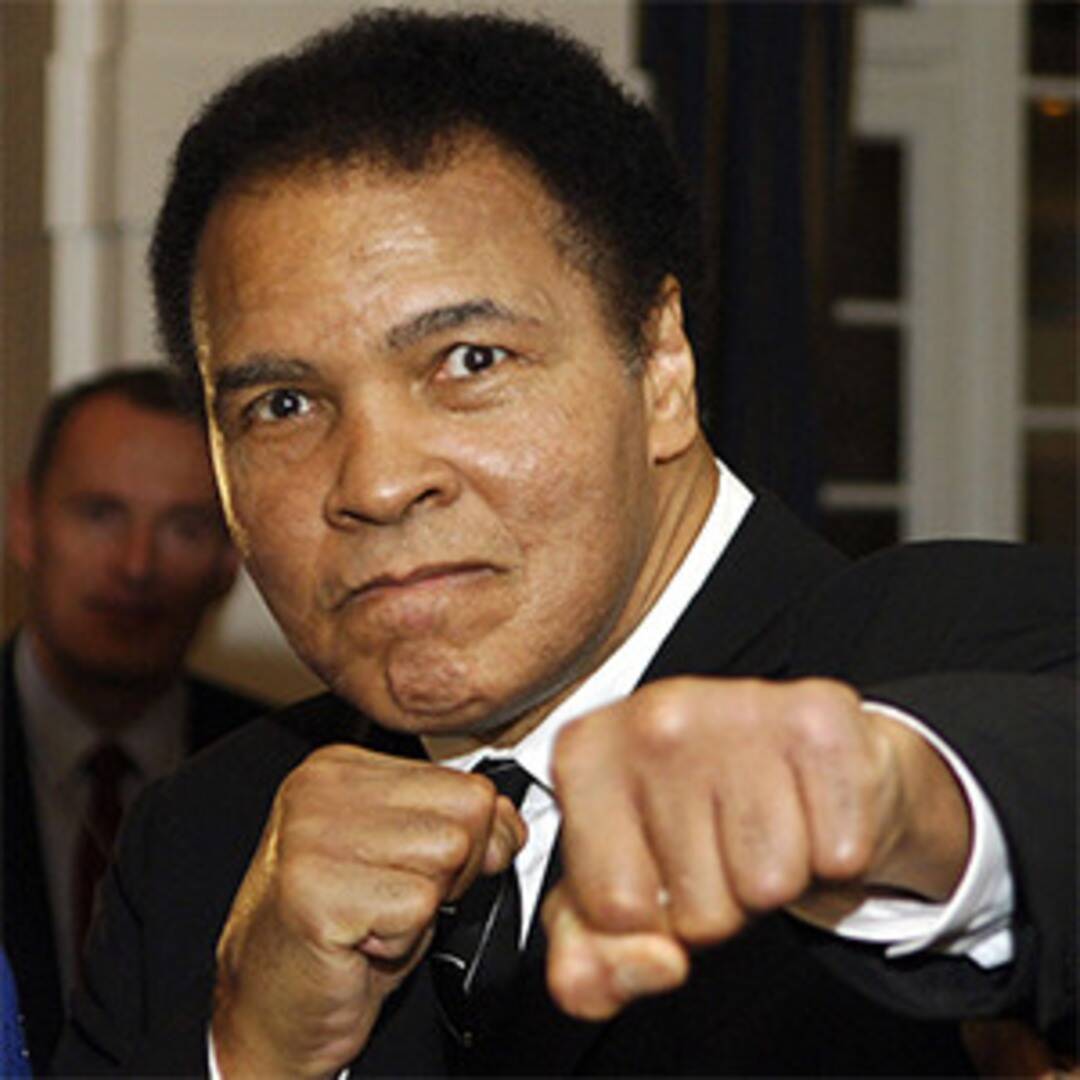
☑️5. Trust in his own abilities: the last but no less significant element of the legendary athlete's mental toughness. His confidence is summed up in one of his more unusual phrases: "I'm so fast that last night I turned off the light switch in my hotel room and was in bed before the room got dark" 😃 His sense of self-worth showed when he gave up his world title rather than be drawn into a war he didn't believe in.