According to the 2019 World Happiness Report, Denmark ranks second after Finland as one of the happiest nations on earth. Denmark is the home of "hygge." The Danes have uniquely created the art of producing happiness — hygge. The concept of hygge (pronounced hue-gah) is not just to live through one nice moment, but to experience an explosion of pleasure.
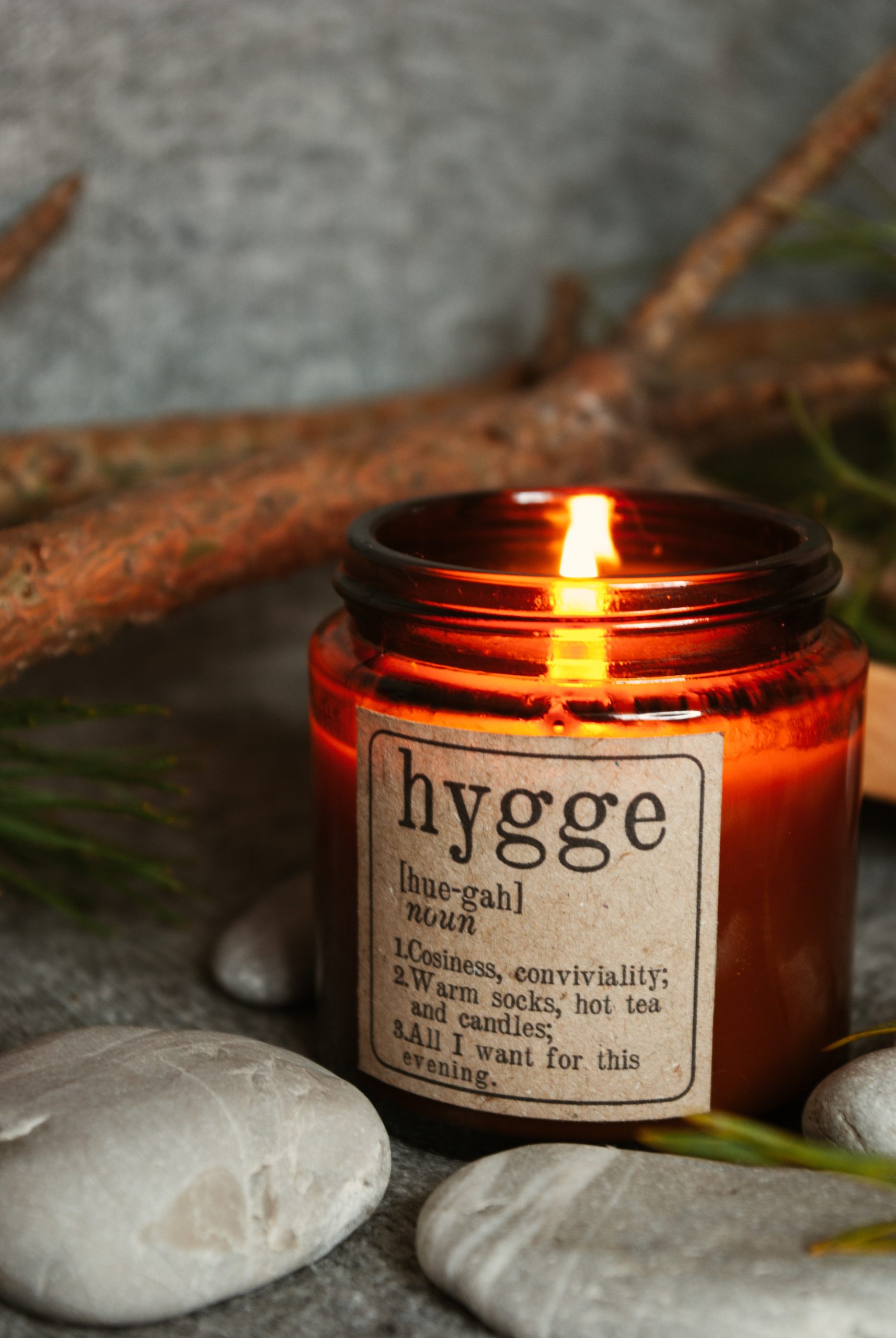
Hygge is well-being
Made famous through the pronunciation "hygge," the meaning of this art of happiness comes from the Norwegian word for well-being. It is the way Danes cope with stress, overwork, and the harsh climate conditions of their country. This way of thinking has led to the creation of whole phrases that contain "hygge."
More new and interesting hygge words
For example, hyggebukser are those pants or sweatpants that we would never wear in front of other people, but happily wear at home, because we consider them to be among the most comfortable clothes in the world. Hyggekrog is a corner in the kitchen or living room where you can sit down and immerse yourself in a hygge mood. They also have a word for someone who is patient enough to play with the children — hyggeonkel — literally "hygge uncle." The Danes have also coined a word for a pleasant, casual conversation that doesn't touch on controversial topics — hyggesnak.

The worldwide popularity of hygge
The word Hygge became so popular around the world that in 2016 it was included in the Oxford English Dictionary's list of words of the year.
A quality of coziness and comfortable conviviality that engenders a feeling of contentment or well-being (regarded as a defining characteristic of Danish culture).
Oxford English Dictionary
What is "hygge" really, and how can it improve our lives?
This word not only means "well-being," but is also linked to the old English word for hug and to embrace. Hygge means enjoying the simple everyday things. Foods and drinks, home, friends and family, nature. Well-being, comfort, relaxation, and contentment.
Meik Wiking, who is the author of "The Little Book of Hygge: The Danish Way to Live Well" and CEO of the Happiness Research Institute in Copenhagen, believes there is a connection between hygge and happiness, which he explores in his book.
Some of the key components of hygge are drivers of happiness.
Meik Wiking, author of "The Little Book of Hygge: The Danish Way to Live Well"

Although the Danes may have defined hygge and made it part of their national consciousness, it is a concept that is accessible to everyone, no matter when you were born or where you live. For example, hygge is actively practiced in countries like the Netherlands, Germany, and Canada.
What are the 5 ways to reach hygge bliss?
1. Contact with friends and family
Strong social connections are important for our well-being. Research shows that quality relationships have a major impact on our happiness levels. Nothing can replace face-to-face communication. We felt this most painfully during the restrictions of the pandemic.
A large part of spending time with friends and family also includes preparing food, as well as sharing a meal with people you love. The atmosphere in which contact with friends and family takes place is calm and informal, everyone participates actively, and feels respected. When you are with your friends and family, you give them your full attention. We listen carefully and don't look at our phones. This way of thinking encourages joining groups like sports clubs, choirs, book clubs, and interest clubs, which create a sense of community and belonging.

2. Contact with nature
Intuitively we know that being out in nature is good for us — it makes us feel happier and healthier, both physically and mentally. This is supported by a great deal of scientific research showing that spending time in nature has a positive impact on our minds and bodies.
Hygge doesn't have to go hand in hand with warm blankets, a fireplace, and aromatic drinks. We can have a wonderful time outdoors regardless of the season.
3. Slow down, focus on the present moment
Hygge moments are different. They are not part of all the other activities that move dynamically through the day. A hygge moment is slow, calm, and demands full immersion in it.
Being here and now, appreciating the situation we are in mindfully and with pleasure — that is part of hygge culture. Science shows that we are happiest when we are present — when we focus our attention on the present moment.

4. Practice gratitude
Have you heard of hedonic adaptation? It's the human's insatiability for more and more. Even if we win a million leva, we'll enjoy them for two days and then start dreaming of a hundred million. What is the counterweight to hedonic adaptation, or to taking the good things in our lives for granted? The only antidote is gratitude. It comes with awareness of everything we have, and a daily reminder of how grateful we are for it.
"We rarely think of what we have, but always of what we lack. Therefore, our lives are full more of bitterness than of gratitude." — Schopenhauer
In other words, practicing gratitude, according to many studies, has a positive impact on our subjective sense of happiness.
When you are grateful for the good things in your life, you feel more positive, you take better care of yourself, and you build stronger relationships with others.

5. Be kind to yourself and others
When you practice hygge, you allow yourself to do what you need to do to feel good. It sounds simple, but it isn't. Putting yourself and your needs first is a thought that doesn't cross many of our minds. Pleasure only after the tasks are done is the mantra of the modern person, but very often the work and tasks are so many that pleasure is left for another time. Hygge gives us permission to set aside time for a little rest, to feel calm, rested, and restored. Time spent reading a book, napping in a hammock, or having a sweet chat with the neighbor is just as important as the time spent washing dishes, writing reports, and vacuuming. Time for ourselves without guilt. Guilt is not part of hygge thinking.

The little joys
These are the small great things in hygge. As Montesquieu says: "If we only wanted to be happy, it would be easy; but we want to be happier than other people, and that is almost always difficult, since we believe others to be happier than they are."
Maybe hygge is the easy path to our happiness. And it's worth applying, so that together we can pull Bulgaria up from 97th place in the 2019 World Happiness Report.

Read more:
What personality type are you according to the DISC model?