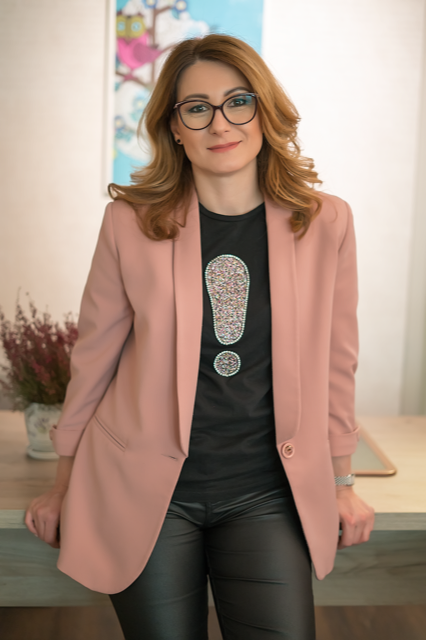
Gergana Dimova is a qualified psychologist and certified psychotherapist with the Society for Positive Psychotherapy in Bulgaria and WAPP (World Association for Positive and Transcultural Psychotherapy). Family therapy consultant.
She practices at the "Puzzle" psychotherapy studio. Her work covers a range of issues and conditions:
- Depressive states, feelings of loneliness, gloom, and sadness;
- Fears, anxiety and panic attacks;
- Stress and insomnia;
- Low self-esteem and lack of confidence;
- Communication problems;
- Lack of WORK – PERSONAL LIFE balance;
- Overcoming life crises;
- Problems in family and relationships, divorce, and separation;
- Interpersonal conflicts;
- Loss of a loved one;
- Personal growth and self-knowledge.
We invited Gergana Dimova for a conversation on a topic that is always relevant: anxiety.
How do people tell the difference between worry and anxiety?
To some extent they are synonyms. With both terms we describe a state of lack of calm. We feel them when there are real situations that we read as risky. For example: my child is sick and has a high fever — I am worried about him; or I have an exam tomorrow but I don't feel prepared — I'm worried about how it will go.
Once these circumstances pass, we usually regain our calm.
Sometimes, however, anxiety is present as a constant background, a baseline against which I am living. It is the WHAT IF I admit and prepare for, but which doesn't yet exist — what if I lose my job, what if my partner leaves me, and so on. Anxiety is the inability to be here and now, because I am occupied with the future, and my mind creates unfavorable scenarios that are actually just fantasies. And here the dose is either medicine or poison. When properly dosed, worry gives us room for development and improvement, but when overdosed, we fall into the vicious circle of fears that block real living.
What in fact are the unmistakable symptoms of anxiety?
At the level of the mind — overthinking possible scenarios with a bias toward negative outcomes, reduced concentration of attention; at the level of activities — postponing or refusing to do certain things, for example to ride public transit; at the level of contact — avoiding crowded places, isolation, a strong desire for control; at the level of the body — a feeling of tightness inside, palpitations, dizziness, sleep disturbance.
At the root of these symptoms lie a lack of self-acceptance, the pursuit of perfection and infallibility, lack of confidence, distrust of others, and worry about how others perceive us. It's a cliché that everything starts in childhood, but it's true. That is the period of life in which we form our beliefs about ourselves, about others, and about the world.
Can anxiety make us ill?
For me, anxiety is a symptom of an already existing illness — suffering, the pain of our soul. A symptom that we are not connected with ourselves, that we are not authentic in how we live. Anxiety and fears are a symptom of a lack of faith. Because of the discomfort it creates for us, anxiety is rather a chance for change, starting a process of self-knowledge and true connection with ourselves and with others. The paths are different. One of them is psychotherapy.
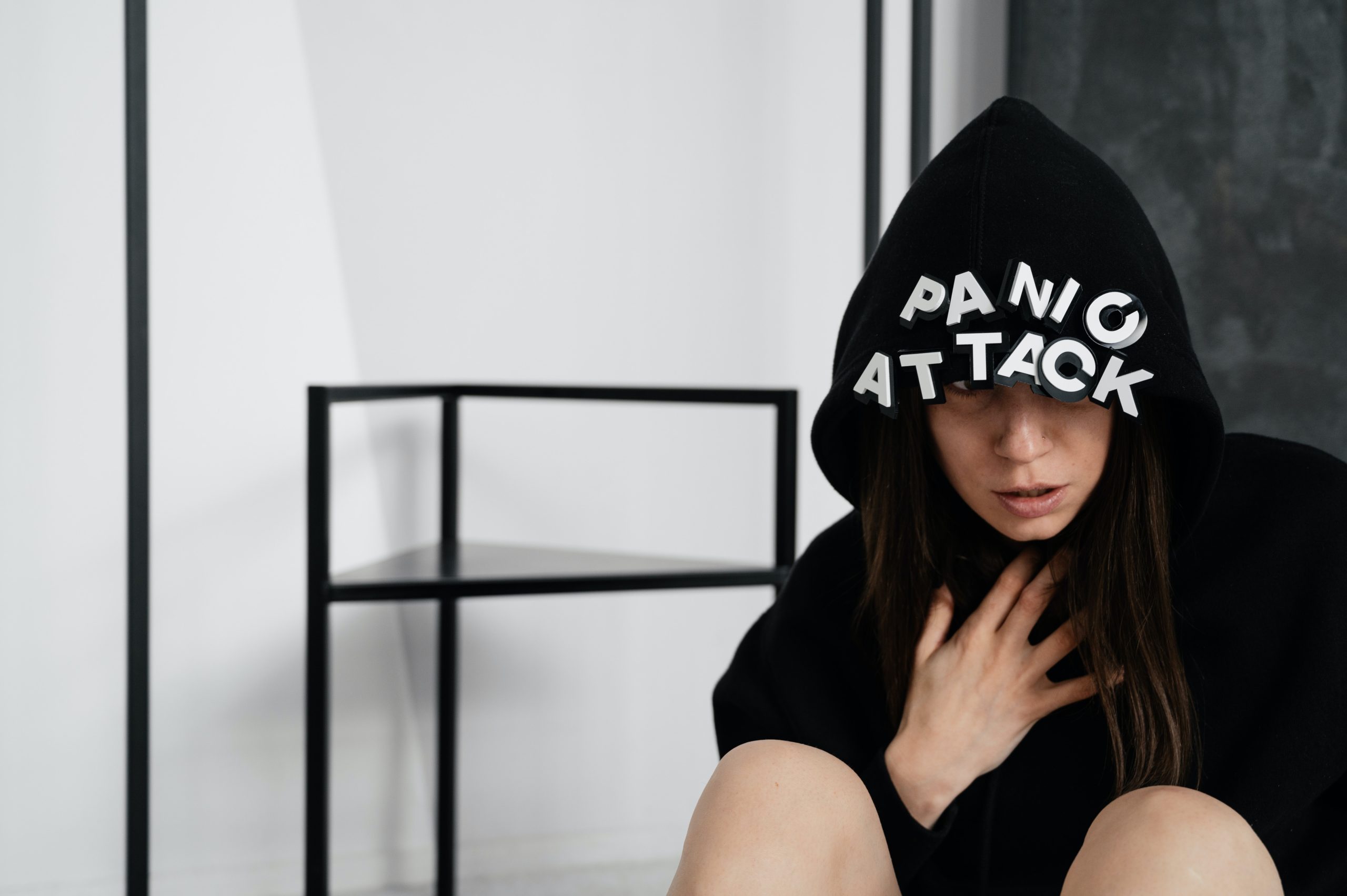
We know that panic attacks are a frequent companion of anxiety. But they show up differently in each person. How can someone be sure that they are experiencing a panic attack?
Part of the answer is in the very name — panic, which is an integral part of this state. It is the feeling that overwhelms us suddenly, combined with a sense of loss of control and the fear that we will die. Our body reacts to a real or hypothetical threat by releasing adrenaline, which prepares us to fight or flee, in order to survive. As a result, the symptoms appear — increased heart rate, accelerated breathing, muscle tension, dizziness, sweating, numbness in the limbs…
I have heard acquaintances say, "Well, that's just how I am: more tense, more sensitive, I take things harder, and nothing can be done." What would you say to them as a specialist?
Everything flows, everything changes — attitudes and convictions too. I believe in people's potential, but whether and how far we develop it is a personal process of awareness and working on yourself. As a person changes, so does the way they position themselves in the world of relationships with others.
If you can share, do you have many people with clearly expressed anxiety in your practice, and after how much work does the condition begin to shift in a positive direction?
It's very individual. It depends on the person's readiness for change, on how entrenched the beliefs and behavior that provoke and sustain the anxiety are, on past negative experience that further supports them, and on the level of trust in the therapeutic relationship. Awareness of the causes and meaning of the condition comes relatively quickly, but the real work, on the basis of this awareness, is for the person to make concrete changes in their life — which is the harder part, because they come up against exactly what they fear: the unknown.
You have been working with clients for years. What are your observations on anxiety states since the emergence of Covid-19?
The pandemic showed us that we don't have absolute control over events; we have to live with many unknowns, to make decisions on the basis of contradictory information, to go through heavy losses of various kinds. This situation requires great flexibility, in order to adapt. When changes scare you because you don't believe you have enough resources to cope, and you also don't trust the world outside you as a source of stability, then Covid is a serious provocation. If I have to compare last spring's situation with the current one, it seems to me that people have learned to live in this new world.
What self-help tips would you give to people who experience mild anxiety?
Try to be here and now, because that is real life, while anxious thoughts about the future — far or near — are in the realm of fantasy. Define your circle of influence — what you can and cannot influence, and concentrate on your part: strengthen your faith, develop yourself, work on your self-esteem, find balance where you have lost it, learn to let go of things you are attached to or identified with…
In other words, let's roll up our sleeves and dig over our own little garden, and let the neighbor dig over his. :)
You are an actively working person, mother of two boys — how do you manage to handle stress? How do you rest?
I try to maintain the balance between my work and my personal life, which is as hard as walking on a tightrope. I have leaned in one direction, now I'm leaning in the other. One day I'll find it. :)
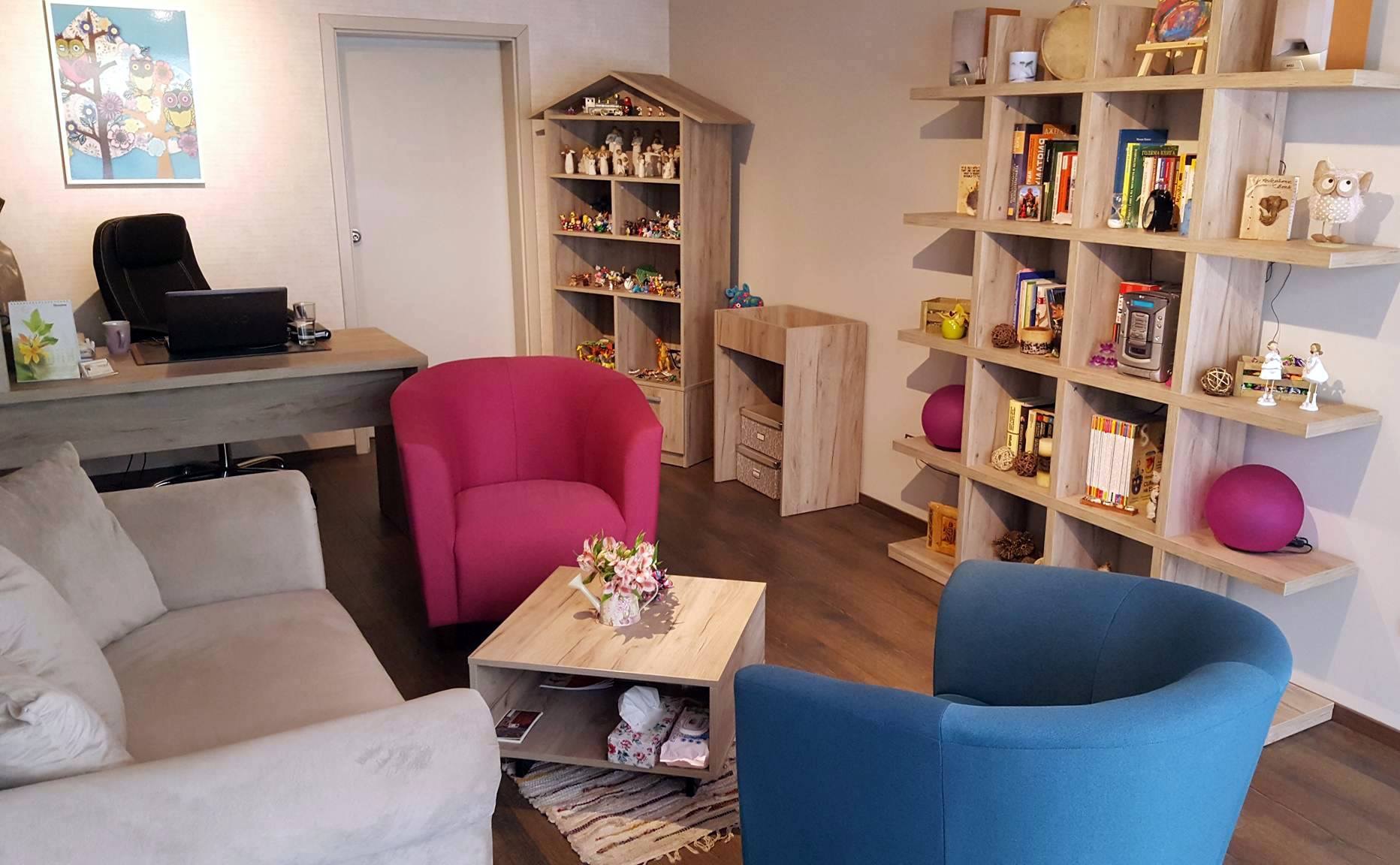
"Puzzle" psychotherapy studio
To contact Gergana Dimova:
phone: 0886544119
website: https://gerganadimova.com/