
Our thoughts are often anxious and punishing, especially at 3 AM. It's striking how the middle-of-the-night worries evaporate at sunrise — or at least their intensity is no longer the same. The Bulgarian saying that morning is wiser than evening has been proven many times. Intense mental activity at 3 AM is irrational and unproductive — but what is its function, really? And what is our brain trying to do by waking us up at no proper hour? Neuroscience News answers these questions.
The rhythm of our biological clock
During a normal night's sleep, our neurobiology hits a turning point around 3 or 4 AM. Body temperature starts rising, sleep intensity drops, melatonin (the sleep hormone) secretion has hit its peak, and cortisol (the stress hormone) levels are climbing. This is the time when the body is preparing for the start of the day.
Notably, all this activity happens regardless of environmental signals like the light of dawn. Nature decided long ago that sunrise and sunset matter so much that they have to be anticipated in advance and we have to be ready for them (the circadian rhythm — or "biological clock" — comes from those natural forces).
Multiple awakenings during the night
In fact, we wake up many times each night, and lighter sleep is more common in the second half of the night. When our sleep is stable and we are calm, we don't notice — and rarely remember — these awakenings. But add a little stress, and there's a good chance the awakening turns into a fully conscious and unpleasant state.
Anticipatory thoughts and worries that we might wake up when we should be sleeping can also tip us into an anxious awakening in the small hours, when we're in a lighter sleep stage.
If this sounds familiar, keep in mind that insomnia responds well to psychological treatment with cognitive-behavioral therapy. There's also a strong link between sleep and depression, so it's important to talk to your doctor or seek help from a therapist if you have concerns about your sleep.
Minimal resources in the small hours
Roughly at this point in the sleep cycle, we are at our lowest point of physical strength and cognitive ability. From nature's perspective, this is a time for physical and emotional recovery, so it's understandable that our internal resources are minimal.
But we also lack other resources in the middle of the night — social connections, cultural touchstones, all the adult coping skills are out of reach in this moment. Without any of our human connections, skills, and tools, we're left alone in the dark with our thoughts. So the mind is partly right when it concludes that the problems it's generating are unsolvable. At least not at 3 AM.
How didn't we think of that?
Once the sun is up and we turn the radio on while eating breakfast and playing with the cat, our 3 AM problems suddenly look different. We can't believe the solution is just to call someone or postpone a meeting or event. And how did those solutions not even cross our minds in the small hours?

The mind that doesn't actually need solutions at 3 AM
The truth is, our mind isn't actually looking for a solution at 3 AM. We may think we're processing our tasks. But really, this process isn't about solving problems. It's the evil twin of problem-solving — anxiety.
This anxiety identifies a problem, ruminates over the worst possible outcome, and ignores the resources we'd actually have if the unwanted outcome did occur.
What can we do about it?
Have you noticed that 3 AM thoughts are very fixated on themselves? We can turn them into a negative mental spiral. In the quiet darkness, it's easy to slide unconsciously into a state of self-absorption. That's exactly when we can generate vivid, painful feelings like guilt or regret. Or peer into the uncertain future, generating unfounded fears.
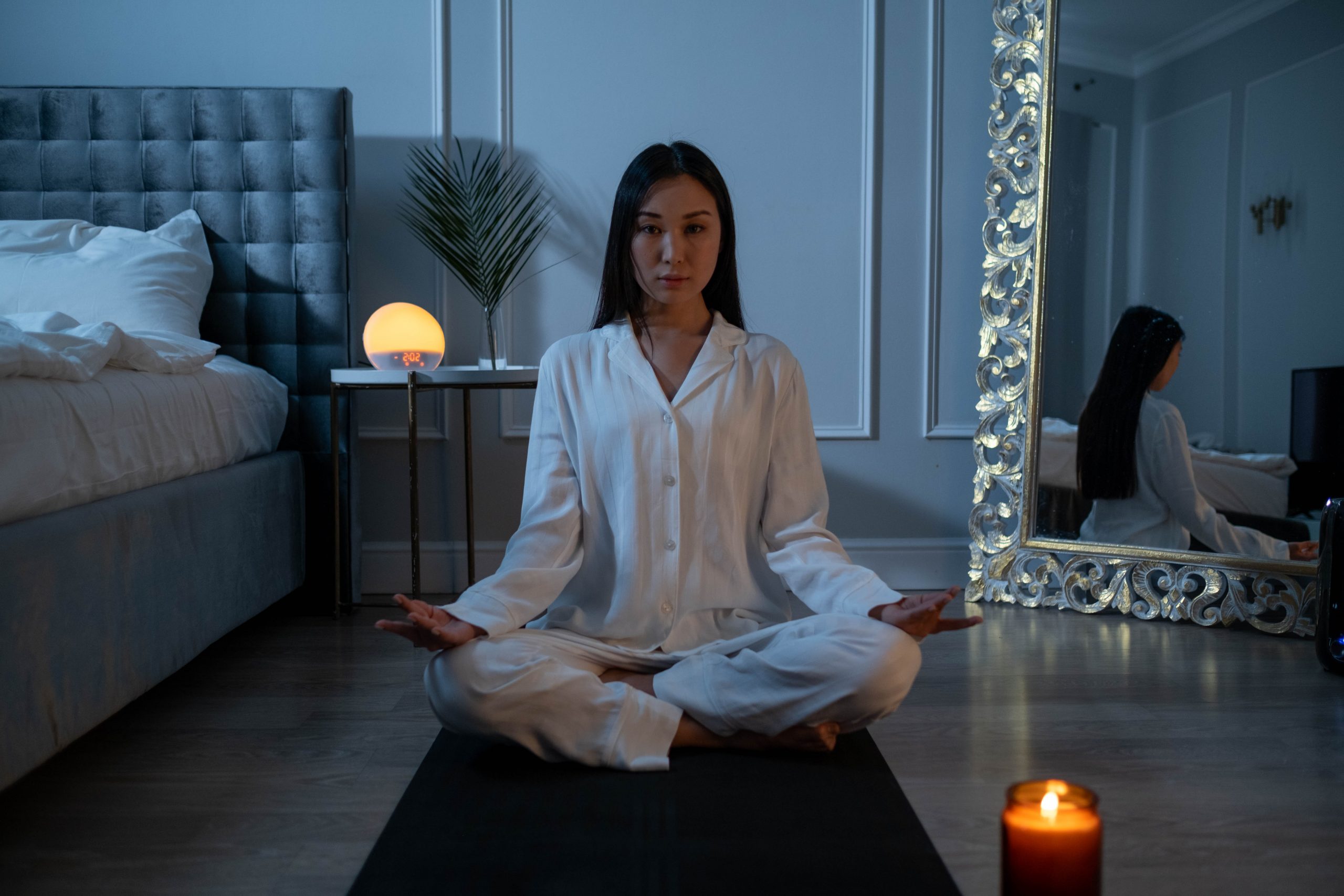
Meditation
The Eastern technique that helps us stop the inner monologue sometimes works, sometimes doesn't. If we're still caught in the web of negative thinking after 15 or 20 minutes awake, we can follow advice from cognitive-behavioral therapy or another approach, given by a therapist certified in the field. Or we can turn to the advice of the Positive Intelligence program by Stanford lecturer Shirzad Chamine, which offers a lasting solution to our anxiety.
Building new neural pathways in the brain
Some of the methods of positive intelligence involve drawing our attention to the senses. As easy as it may sound to practice, it turns out to be near-impossible under anxiety and stress. The program — which has helped over half a million people get a grip on their anxiety — works effectively through daily exercises that support the building of new neural pathways in the brain. For example, we learn to focus on the sound of our breath or on the subtle sensations when we touch our fingertips. When anxious thoughts strike, we gently bring our attention back to the sound of breathing. These actions may look very simple, but at 3 AM they are useful and have the power to help us cope with our unproductive thinking.
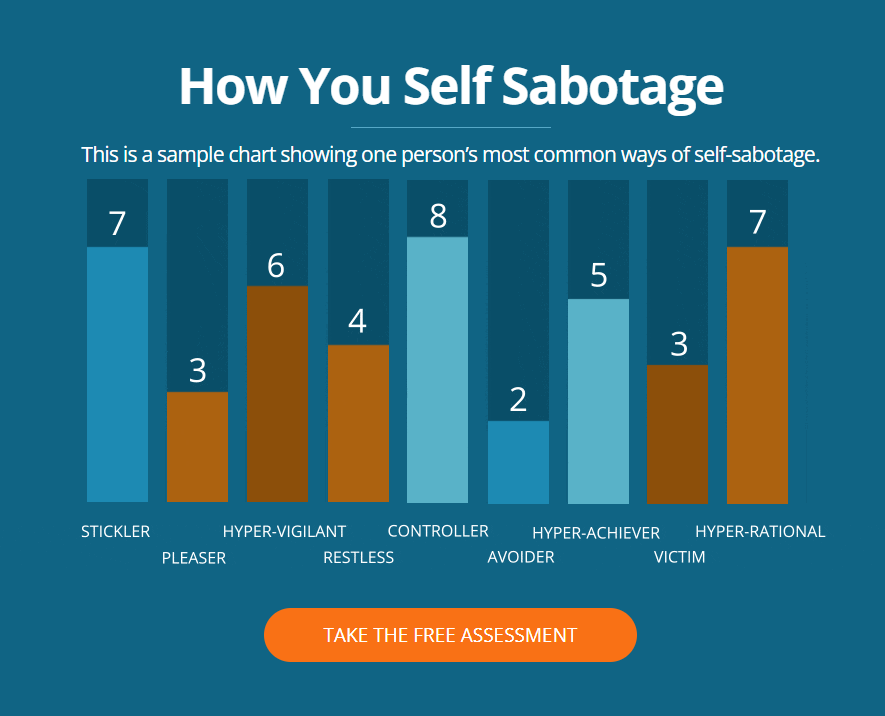
For full information about the Positive Intelligence program with the support of a Bulgarian psychologist, contact the Media Psychology team at info@mediapsihologia.com. The program is delivered in English.