Understanding emotions and their impact on us. Take your highly sensitive person test.
We all experience different kinds of emotions, feelings; we have varied moods and impulses. Negative, positive, neutral. A very rich palette of, I would say, complex mental sensations. The word "emotion" itself is "a concept expressing the psychic state of an individual, influenced by various subjects and circumstances." And all these complex mental sensations, both the positive and the negative, form our inner world, our own space. There you find a lot of everything.
Defining emotions
How would you describe your positive emotions in concrete terms? Happiness, joy, contentment. You feel "butterflies" in your stomach, as if you'll come out of your skin, you'll "burst" with happiness, as if seized by warmth, you're confident that everything in your life will fall into place, you feel complete. You see the world as a friendlier place, full of opportunities just waiting to be taken. So far, so good. But this perfect inner world unfortunately does not last forever.

When we feel an earthquake in this inner space of ours, we feel anxiety, unease, worry, stress, anger. Many negative emotions, which need special attention, otherwise they corrode like acid, or remain buried, ready to erupt at a very inconvenient moment. Some of us are able to cope with these crises and restore our inner balance, but others, especially emotional and highly sensitive people, feel lost in the search for a way out, wander through their consciousness, and allow these "corroding" emotions to take control over them. And they never come alone individually, they may be the consequence of others. The world then looks like a hostile place. And all of this doesn't necessarily happen consciously.
We don't always understand which emotions we are feeling. Here, for example, is what part of a conversation between a young woman and her psychotherapist sounds like during one of their sessions:
"I feel that my emotions grip me like an iron fist around my throat and choke me."
"Then get acquainted with them, accept them, acknowledge that they are there, wave to them, and then they will 'let you go.'"

The first part of the article, as you can already see for yourselves, will pay a little more attention to negative emotions than to positive ones, because we remember those more, and they seem to last for a longer time.
And are you an emotional person? We will look at exactly what an emotional or highly sensitive person means, with the help of several characteristics.
The Psych2go community lays out eight signs by which you can decide whether you are highly sensitive:
- You feel the world around you more deeply and react emotionally — you are empathetic and concerned for others, you sympathize deeply with them and put yourself in their place;
- You prefer solo exercise — you avoid team sports and prefer activities that give you time to reflect and step away from an over-stimulating environment, like cycling and running. But, encouraged by caring friends and family, you won't refuse to do sports together;
- It takes you longer to make decisions, because you worry about deciding "badly" or "wrongly" — you tend to weigh all the available options. When it comes to making vital decisions, you may feel paralyzed or overwhelmed by the potential outcome of every situation;
- You pay attention to the fine details — you read between the lines, everything affects you strongly, and you are sensitive to changes in the environment and the people around you;
- You are very steady and well-mannered — you care a great deal about the way you present yourself and how your actions will affect others. You put items back where they belong in the store, so as not to create more work for the staff, and you always thank the waiter at a restaurant;
- You are prone to anxiety or depression, especially if you have had a lot of bad experiences;
- Films with violence usually aren't your thing;
- You work well in a team — you analyze situations and discover how each person's strengths can be used most effectively on the team.
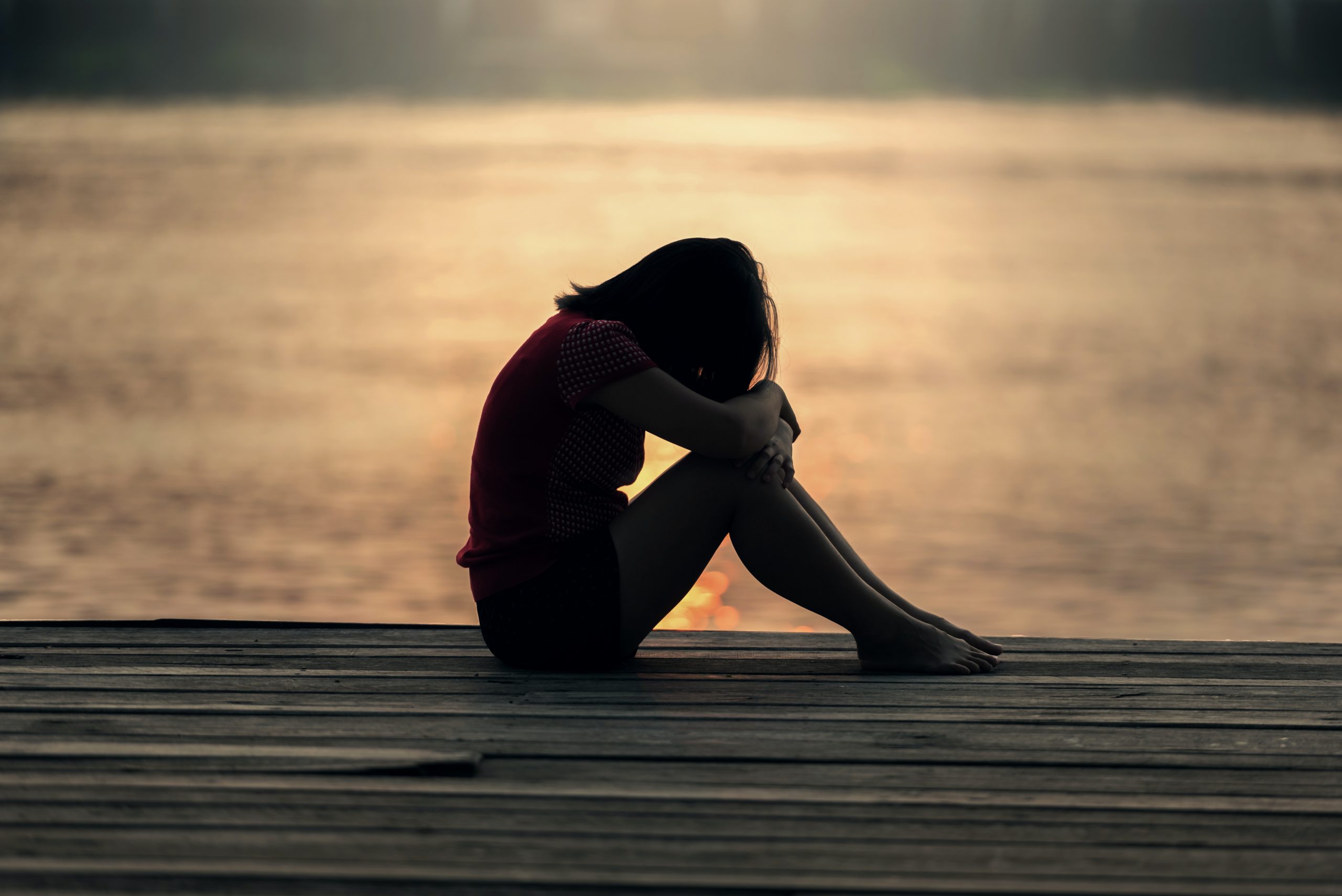
And these are just some sample guidelines, by which you can think and discover your true emotional nature, meet and get to know the feelings you are experiencing. It's necessary for a person to know their inner world in order to be able to handle the difficulties they meet in life, regardless of what they are. Don't compare them with those of others, because no one feels and experiences emotions about a particular problem in the same way you do. Even though we encounter similar obstacles and barriers on our life path, each of us, in our own way, finds the strength and methods to cope.
In his book "Mind Power Into the 21st Century," John Kehoe even says that problems do not exist, only opportunities. Therefore it is our choice how we view our problems and emotions, because
...emotions are a matter of choice.
Dr. Wayne Dyer, from the book "Everyday Wisdom"
To help recognize emotions, here is the list of feelings by Dennis Greenberger and Christine Padesky, which they include in their book "Mind Over Mood":
| Depressed | Anxious | Angry | Guilty | Ashamed |
| Sad | Embarrassed | Excited | Scared | Annoyed |
| Insecure | Proud | Crazed | Panicked | Despairing |
| Nervous | Disgusted | Hurt | Joyful | Disappointed |
| Furious | Frightened | Happy | Loving | Humiliated |
| Sorrowful | Impatient | Threatened | Calm | Grateful |
| Other emotions | ....................... | ........................ | ........................ | ........................ |

Here we see 30 kinds of emotions. And there are more! And surely each of us experiences them hundreds of times throughout our lives, and they certainly don't end here. Maybe there are still more, waiting to be experienced — or rather, for them to experience us. In a highly sensitive person they rage like a top-grade hurricane and leave devastation in their wake, if the person doesn't know how to deal with them. Their power is truly destructive, because the burden of them shows up in unexpected ways — they seriously harm our own health and our relationships with those around us. It's not impossible, it's just hard.
The greatest battles of life are fought out daily in the silent chambers of the soul.
David O. McKay (September 8, 1873 – January 18, 1970) — American religious leader and educator, who served as the ninth president of The Church of Jesus Christ of Latter-day Saints from 1951 until his death in 1970.
The malignant impact of negative emotions and thoughts and how it shows up
Apart from the harmful impact of emotions on us, "hooking" thoughts have one too, because they hold mental energy that finds no expression outward. In her book "You Can Heal Your Life" (of negative thoughts and emotions — author's note), Louise Hay tells of meetings with her clients and their emotional state.
One woman had unpleasant breath. She had a pious and spiritual demeanor and was preparing to become a preacher. But beneath the surface raged anger and envy, which would erupt the moment she felt that her behavior was being threatened. This "darkness" in her was showing up through her bad breath, even when she was pretending to be loving. The only danger came from herself.
And have you ever wondered why you can't lose those 5–10 kilograms that you so dislike yourself for? You're spending energy, time, money on expensive trainers and diets, and still don't reach the desired result.
The feeling of being threatened, of insecurity, of "not being good enough" (handsome, attractive, pleasant...) can directly affect our outward appearance and so even more strongly amplify our negative self-image and mask the real problem. And it isn't excess weight or extra kilograms. It's the fear and insecurity from which we want to defend ourselves with extra kilograms.
A young woman feeling intense anger and reproach toward herself never likes her hair, body, ears, or skin. She never feels good enough to be hired for a new job and to maintain healthy relationships with those around her. As a result of the harm that all those buried emotions have done, in the end the thyroid gland, one of the most important organs in the human endocrine system, becomes ill.
The surprising thing is that, in fact, the negative emotion itself does not make us ill. Looked at from another angle, it helps us understand that this workplace is not for us, that some friend is allowing themselves to step too far into our personal space, or that we need to stand up more for our principles and beliefs. The inability to master the storm of emotions is the virus that infects our mind, soul, and body.
Author: Tanya Mihaylova
More from the same author: